
Book Blurb: Slow Productivity
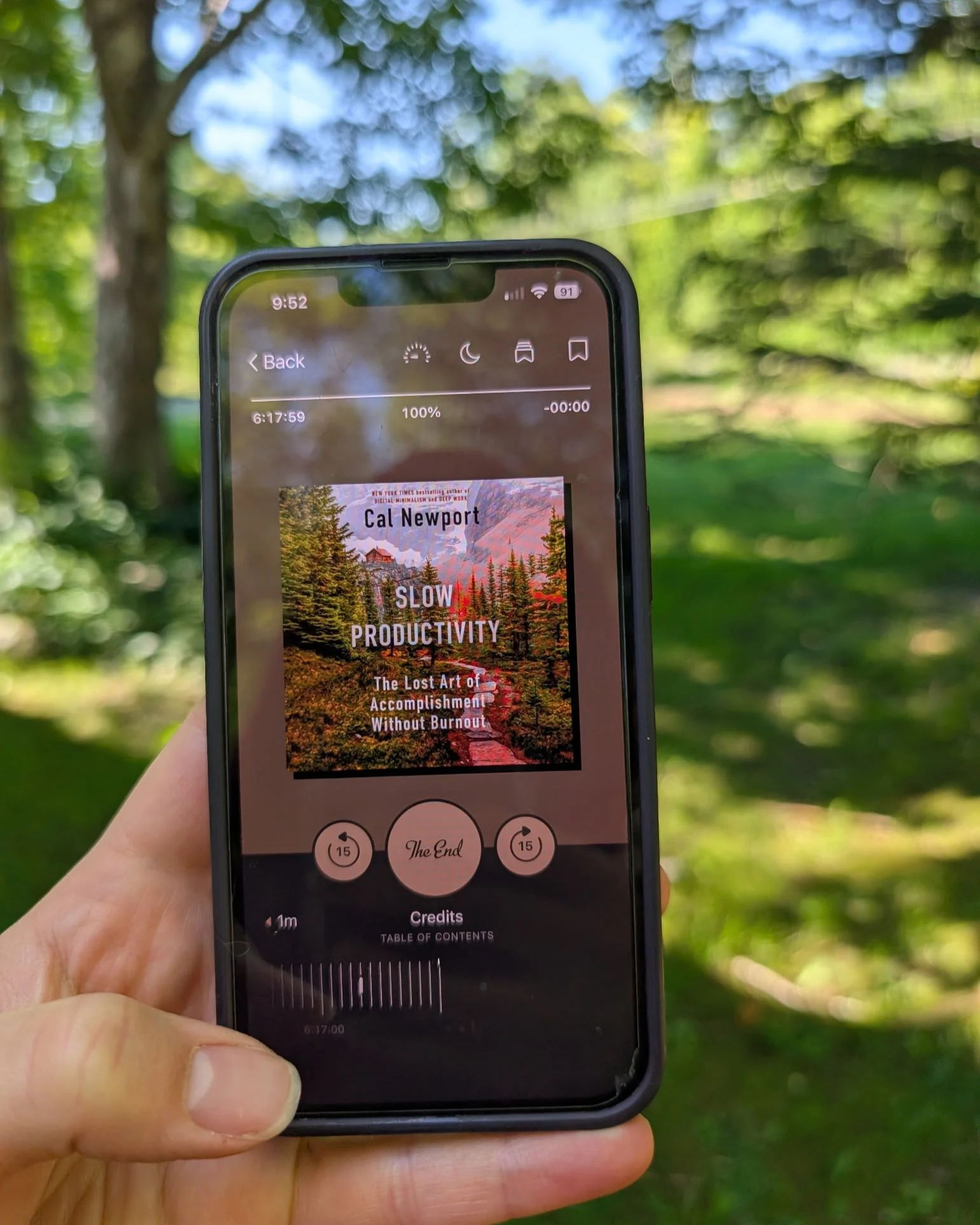
Slow Productivity: The Lost Art of Accomplishment without Burnout By Cal Newport
Burnout has been buzzing on the internet for awhile and for good reason. This book is not exactly about burnout, but about how we view work and how we can shift the way we look at it in order to help reduce burnout.
Summary
This book reviews how we can begin to shift our view of productivity in order to find a slower pace to life and therefore avoid the rushing that can lead to burnout. Newport does this by starting with an explanation of how we view busyness and productivity; and how this has changed in the age of technology and information.
Before my time working in office settings, you had to set meetings and see people in person in order to get answers. In this century, we communicate more with email and instant messaging services. This shift has meant two major things: that we can be online longer that our working day and that we are now tied like a leash to checking these notifications.
When it comes to being online beyond your working hours, we start to tip toward being chronically online and attached to the workplace. This attachment can reduce the effectiveness of rest and reduce our ability to connect with other aspects of our lives. This newfound disconnection is a driving force to feeling overworked and burnt out.
However, being leashed to these notifications exists within the work day as well. Checking emails and instant messaging is now a task that is added to the workday. Not to mention the added work of replying to them all! What makes it worse is that it steals our attention since we end up checking those platforms multiple times through the day to stay on top of them and address any ‘urgent’ notifications. But, as Steve Casner in Careful tells us, this attention steal actually means it takes us long to complete the task - a sentiment that is echoed by Newport.
So as we know that we are having our attention divided and our time monopolized, what Newport adds is that there is an added expectation to appear busy. This busywork is not productive and actually takes us away from the true deep work we could be doing.
The rest of Newport’s wisdom (which I encourage you to read) expands upon the topics of busyness above and lays out some strategies on how to reframe what we do and move toward a slower pace of work (without quiet quitting).
Who Should Read This
Most of the work Newport refers to is ‘Knowledge work’ (people who work generally in creative or constructing office or freelance positions). What he also notes, is that the solutions he encourages are for people who have a good degree of control over their schedule. So those who has this control and work in knowledge are best suited to getting more out of this book!
What Did I learn?
I felt validated that I need to slow down. It is hard to juggle multiple projects at once and some of our best work can come from taking the time to go slower with those projects. Slowing down does not always mean vacations (although Newport covers this) but it can mean a shift in how you plan you day, schedule meetings, control your time and look at productivity.
Final Thoughts
If you are looking to feel more fulfilled with your work or to move at a more natural pace, I highly recommend giving this book a go! Plus we could all use a reminder that we were built for slower, and we need to find a way to connect to this, especially in this fast paced age.
P.S. I will say that the pace Cal Newport reads his audiobook, is very soothing and on brand for a book about slowing down!